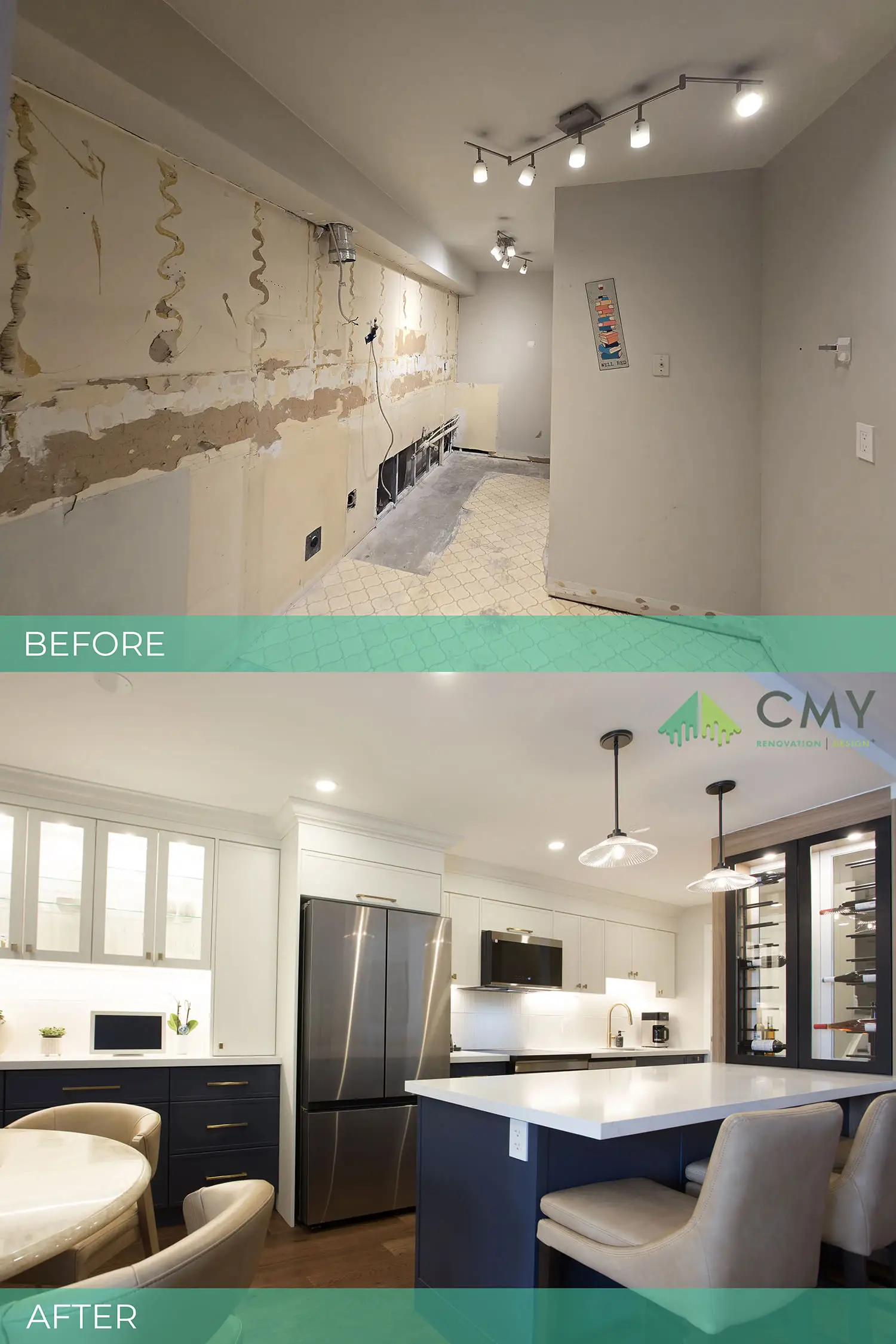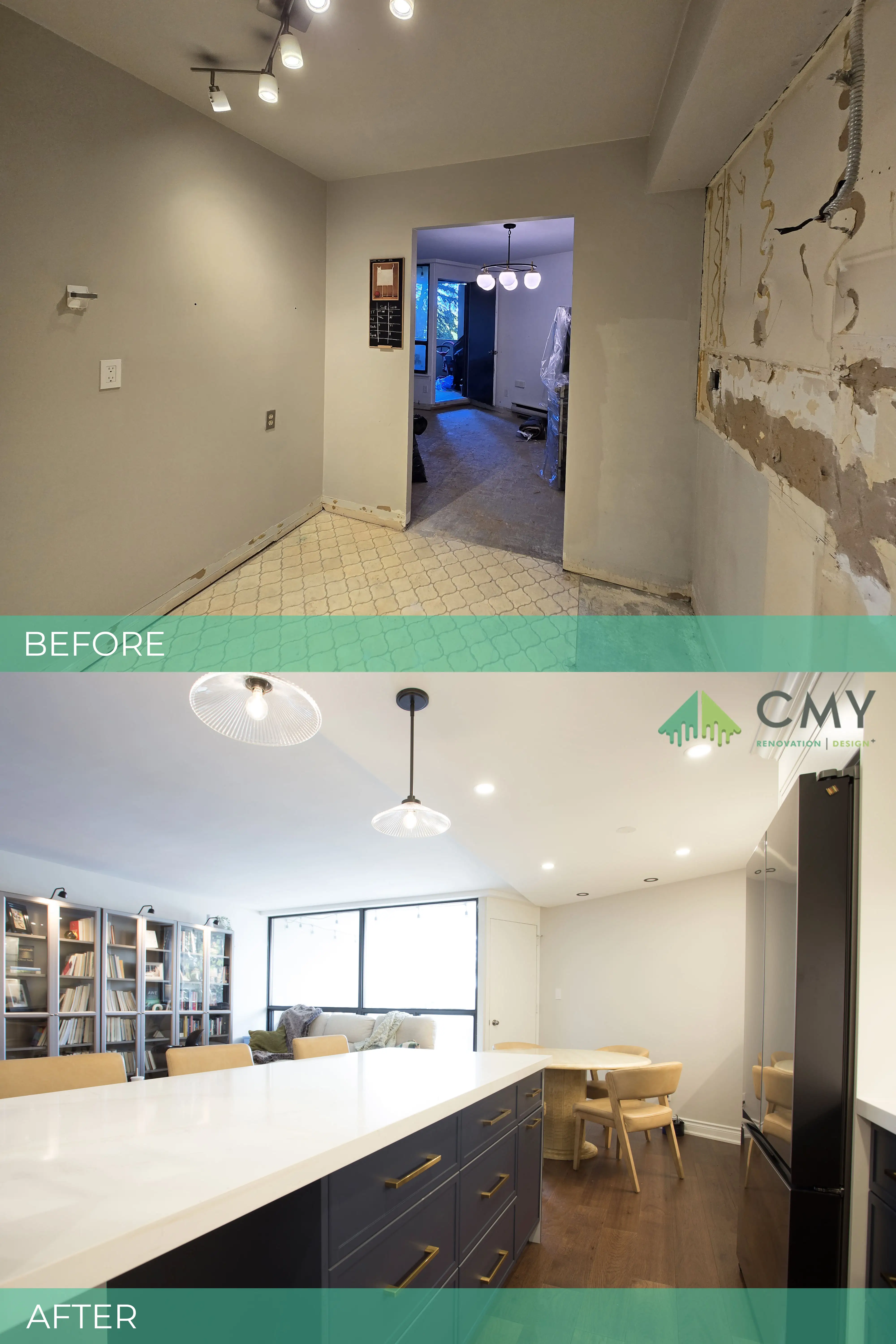
Structural Wall Openings & Expert Modifications

The GTA's Authority in Safe, Engineered Transformations

View Our Look Book
5.0 Google Rating
Our Structural Specialties

Load-Bearing Walls

Beam Installation

Open Concept

Permits & Engineering

Homeowner's Structural Guide

Removing a load-bearing wall is one of the most valuable upgrades you can make to a home, especially in older floor plans. A load-bearing wall supports the structural weight from above, including upper floors and the roof. Removing it requires a replacement support system, typically consisting of engineered beams and posts, to ensure the structural integrity remains intact.

Permits in Ontario: Building permits are mandatory for load-bearing wall removals. They ensure that structural modifications meet the Ontario Building Code, load calculations are verified, and proper inspections are conducted at critical stages.

Execution: This is not a DIY project. Experienced contractors ensure safe load transfer, code compliance, and a professional finish while reducing the risk of costly structural issues.

GTA Investment Guide

Realistic cost ranges for structural modifications in the Greater Toronto Area:

$5,000 – $15,000 Basic Load-Bearing Wall Removal
$10,000 – $25,000+ With Flush Beam Installation
$15,000 – $40,000+ Large Openings with Steel Beams
Factors affecting cost include opening size, beam type, and relocation of electrical, plumbing, or HVAC systems.

Beam Options: Flush vs. Drop

Flush Beam (Recessed): Installed within the ceiling cavity for a high-end, seamless open-concept look with a flat ceiling line.

Drop Beam (Undermount): Sits below the ceiling line. This is the fastest and most cost-effective installation method, requiring minimal modification to existing joists.

Structural Materials

LVL Beams (Engineered Wood): Strong, cost-effective, and ideal for standard residential openings.

Steel Beams: Used for larger spans, heavier loads, and slimmer profiles. Often required for significant main floor or basement transformations.

Support Posts: Transfer weight to the foundation and are critical to the system's performance.

Estimated Project Timeline

1-3 Weeks: Engineering & Permits
1-3 Days: Structural Beam Install
3-7 Days: Framing & Drywall
1-3 Weeks: Full Project Finishing
Recent Structural Projects

The Leading Authority in Structural Wall Openings

CMY Renovations Ltd. is the premier specialist in load-bearing wall removals, structural modifications, and beam installations across Etobicoke and the Greater Toronto Area. Whether you are aiming for an expansive open-concept living space, require specialized steel or LVL beam integration, or need expert guidance to safely modify your home's framework, our team delivers flawlessly engineered solutions. We handle everything from obtaining permits to the final structural execution, guaranteeing safety and uncompromising building standards.

Structural FAQs

A flush mount beam is possible when there is enough space within the ceiling cavity to accommodate the structural beam and any required support framing. This typically works best when floor joists run perpendicular to the wall being removed, there is sufficient ceiling depth to recess the beam, and mechanical systems (HVAC, plumbing, electrical) can be rerouted, as required by the Ontario Building Code (OBC).
This typically requires:
Floor joists running perpendicular to the wall being removed Adequate depth within the floor system to accommodate the beam Ability to properly hang or frame joists into the beam using approved hangers No conflicts with mechanical systems that cannot be relocated.
All flush beam installations must follow engineered design and load calculations, as required under Ontario Building Code Part 4 (Structural Design).

Flush beams may not be feasible when joists run parallel to the wall, there is limited ceiling cavity space, mechanical systems cannot be relocated, or structural constraints require a deeper beam than the ceiling allows.

There is no one-size-fits-all answer. Beam size depends on span (width of opening), load from above (floors, roof, point loads), and type of material (LVL vs steel). A structural engineer determines the exact size based on calculations.

Yes—removing intermediate support (columns/posts) increases the span, which means a larger or stronger beam is required, often steel instead of LVL, and costs will increase due to material and installation complexity.

A T-connection is possible when two structural beams intersect and can properly transfer loads, there is adequate support below (post or load-bearing wall), and the connection is engineered to distribute weight safely.

T-connections may not be feasible when there is no proper load path to transfer weight downward, the existing structure cannot support combined loads, or the layout creates excessive span or stress points.

A drop beam is typically easiest because it sits below the existing ceiling structure, requiring minimal joist modification and less rerouting of mechanical systems, which reduces labour time and cost.

Some disruption is often unavoidable, especially with flush beams. However, drop beams minimize ceiling damage, and experienced contractors aim to keep disruption controlled and minimal.

Structural work will disturb existing textures, and matching the exact finish can be difficult. Many clients choose to refinish or smooth the ceiling entirely for a modern look.
While the Ontario Building Code focuses on structure rather than finishes, in practice:
Textured ceilings will be disturbed during structural modifications, matching existing finishes may be difficult.
Many homeowners choose to:
Refinish the affected ceiling area or upgrade to a smooth ceiling for a consistent, modern finish.

Yes—but it depends on how the loads are transferred. If walls above or below do not align, additional structural support, beams, or posts may be required, making engineering critical.

The Ontario Building Code requires adequate support for all structural loads.
New footings are required when:
A new point load (post) is introduced Existing slab or footing cannot support the load Loads are concentrated in a new location.
This involves:
Cutting and removing a section of the concrete slab Excavating and pouring a properly sized footing Ensuring load transfer to undisturbed soil
Footing size and depth must meet OBC requirements and are often specified by an engineer.
CMY Renovations Professional Insight (Ontario-Focused)
From a code and construction standpoint, structural openings are about more than removing walls—they’re about safely redistributing loads in compliance with the Ontario Building Code.
Every project must consider:
Load paths, Proper beam sizing, Adequate bearing support, Permit and inspection requirements.
At CMY Renovations, we ensure every structural modification is completed to code, professionally engineered, and built for long-term performance.